

Breathing exercises are a powerful yet often overlooked tool for improving respiratory health, athletic performance, and overall well-being. While many focus on cardio and strength, the foundation of fitness begins with how well you breathe. This guide will help you unlock your full potential through evidence-based breathing techniques.
In this comprehensive guide, you'll discover how to build lung capacity, boost endurance, and enhance your mind-body connection. We cover beginner to advanced routines, the science behind breathing exercises, and practical tips for lasting results.
- How breathing exercises improve respiratory fitness and stamina
- Step-by-step routines for all experience levels
- Techniques used by elite athletes and health professionals
- How to measure and track your progress
- Breathing protocols for specific sports and daily life
Pro Tip: Start with foundational breathing exercises and gradually increase intensity. Consistency beats intensity in respiratory fitness training.
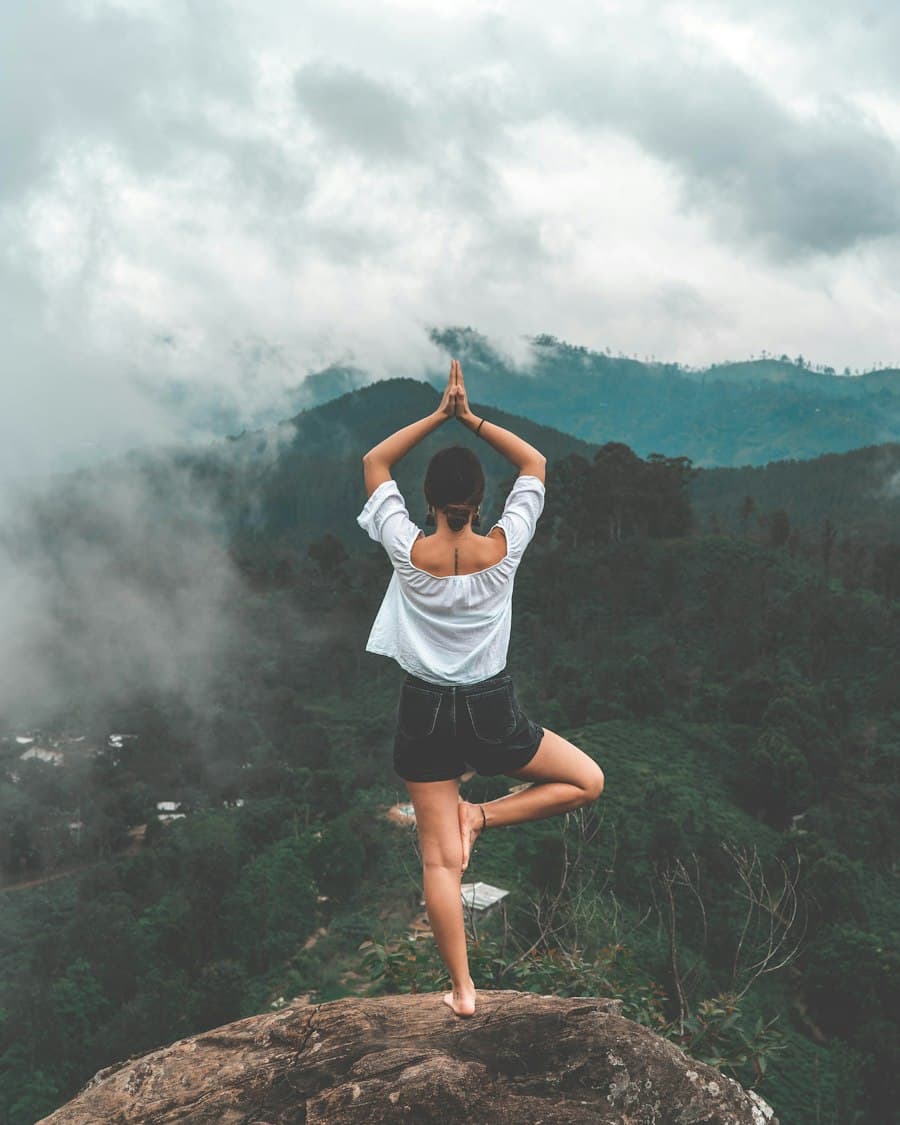
Reduce stress
Lower cortisol and find steadiness through guided pacing.

Improve focus
Return to the present with a single, simple rhythm.
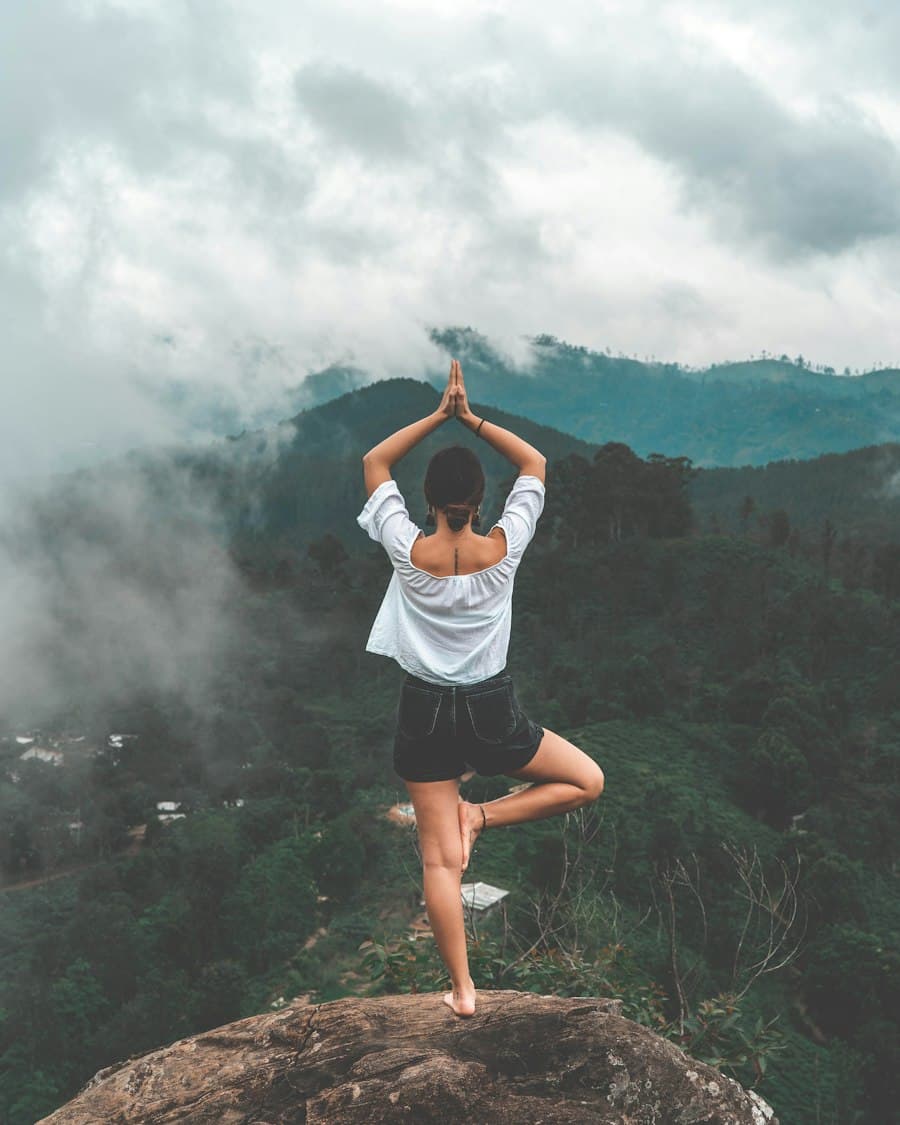
Better sleep
Wind down with exhale-forward patterns before bed.
The Science of Breathing Exercise and Respiratory Fitness
How Breathing Exercise Builds Respiratory Fitness
Breathing exercise works by systematically challenging your respiratory system through three key mechanisms:
- Respiratory muscle training - Strengthens diaphragm, intercostals, and accessory muscles through targeted breathing exercises
- Lung capacity expansion - Increases vital capacity and total lung volume with progressive breathing exercise routines
- Oxygen utilization efficiency - Improves gas exchange and oxygen delivery to tissues through structured breathing exercise programs
Regular breathing exercise creates respiratory adaptation, similar to how weight training builds muscle. Your breathing muscles become stronger, more efficient, and more resistant to fatigue through consistent breathing exercise practice.
The Athletic Benefits of Breathing Exercise
Elite athletes use breathing exercise to achieve:
- Enhanced endurance - 15-20% improvement in time to exhaustion through breathing exercise training
- Faster recovery - Reduced heart rate and breathing rate post-exercise with breathing exercise practice
- Better performance under pressure - Improved focus during competition through breathing exercise techniques
- Increased power output - Better oxygen delivery to working muscles via breathing exercise routines
- Reduced exercise-induced asthma - Stronger respiratory system through breathing exercise programs
Research on Breathing Exercise Effectiveness
Scientific studies demonstrate that structured breathing exercise programs:
- Increase VO2 max - Up to 12% improvement in aerobic capacity through breathing exercise training
- Reduce breathing rate - More efficient respiration at rest and during exercise with breathing exercise practice
- Improve respiratory muscle strength - Measurable increases in inspiratory and expiratory pressure via breathing exercise routines
- Enhance exercise tolerance - Longer duration before reaching ventilatory threshold through breathing exercise programs
Progressive Breathing Exercise Routines
Beginner Breathing Exercise Program (Weeks 1-4)
Goal: Build foundational respiratory fitness and breathing awareness through basic breathing exercises
Daily Breathing Exercise Routine:
- Diaphragmatic breathing exercise: 5 minutes, 2x daily
- Pursed-lip breathing exercise: 3 minutes, 1x daily
- Breathing rate control exercise: 10 minutes, 1x daily
- Rest day: 1 day per week
Progression: Increase breathing exercise duration by 1 minute each week
Intermediate Breathing Exercise Program (Weeks 5-12)
Goal: Increase respiratory endurance and strength through advanced breathing exercises
Daily Breathing Exercise Routine:
- Box breathing exercise: 10 minutes, 2x daily
- 4-7-8 breathing exercise: 8 minutes, 1x daily
- Resistance breathing exercise: 5 minutes, 1x daily
- Interval breathing exercise: 15 minutes, 1x daily
Training Tip: Track your breathing exercise progress with a simple log. Record duration, difficulty, and how you feel after each breathing exercise session.
Advanced Breathing Exercise Techniques
High-Intensity Breathing Exercise
Purpose: Simulate high-intensity exercise conditions and build respiratory resilience through challenging breathing exercises
Breathing Exercise Technique:
- Perform rapid, deep breathing for 30 seconds
- Follow with 30 seconds of slow, controlled breathing
- Repeat for 10-15 cycles
- Rest for 2-3 minutes between breathing exercise sets
Resistance Breathing Exercise
Purpose: Strengthen respiratory muscles through resistance training breathing exercises
Equipment: Use a breathing resistance device or create resistance with pursed lips for this breathing exercise
- Inhale against resistance for 4 seconds
- Hold for 2 seconds
- Exhale against resistance for 6 seconds
- Repeat for 10-15 breaths, 3 sets of this breathing exercise
Breathing Exercise for Specific Sports
- Running: Rhythmic breathing exercise (3:2 or 2:2 patterns); practice during easy runs
- Swimming: Bilateral breathing exercise; focus on exhaling underwater
- Cycling: Power breathing exercise; coordinate with pedal strokes
- Weightlifting: Valsalva breathing exercise; controlled breath holding during lifts
- Yoga: Ujjayi breathing exercise; maintain throughout practice
Measuring Your Breathing Exercise Progress
Key Breathing Exercise Metrics to Track
Monitor these breathing exercise indicators:
- Resting breathing rate - Should decrease from 12-20 to 8-12 breaths per minute with breathing exercise practice
- Breath hold time - Should increase from 30 seconds to 60+ seconds through breathing exercise training
- Exercise tolerance - Longer duration before breathlessness with breathing exercise routines
- Recovery rate - Faster return to normal breathing after exercise through breathing exercise programs
Simple Breathing Exercise Tests
Breath Hold Test: Take a deep breath and hold it. Time how long you can maintain it comfortably. This breathing exercise test measures your respiratory fitness.
Stair Test: Climb stairs while maintaining controlled breathing. Note when you need to breathe through your mouth. This breathing exercise test evaluates your endurance.
History and Origins of Breathing Exercises
Breathing exercises have roots in ancient practices such as yoga pranayama, qigong, and martial arts. These traditions recognized the power of breath for health, focus, and longevity. Modern science now validates many of these ancient insights, showing that structured breathing can transform both body and mind.
Scientific Evidence and Expert Insights
Research from leading institutions shows that regular breathing exercises can increase lung capacity, lower blood pressure, reduce anxiety, and improve athletic performance. Experts recommend integrating breathing routines into daily life for both physical and mental benefits. Always consult a healthcare provider before starting any new exercise program, especially if you have underlying health conditions.
Practical Tips for Success
- Start slow and focus on consistency over intensity.
- Track your progress in a journal or app.
- Combine breathing exercises with other wellness habits like stretching or meditation.
- Listen to your body and rest if you feel dizzy or uncomfortable.
- Consult a professional if you have respiratory or cardiovascular conditions.
Frequently Asked Questions About Breathing Exercise
Questions readers ask
How often should I do breathing exercises for optimal respiratory fitness?
For respiratory fitness, aim for 20-30 minutes daily of structured breathing exercise. Split into 2-3 sessions throughout the day for best breathing exercise results.
Can breathing exercises improve my athletic performance?
Yes! Studies show breathing exercise can improve VO2 max by 10-15% and increase time to exhaustion by 20-30%. Elite athletes regularly incorporate breathing exercise into their training programs.
What's the difference between breathing exercise and meditation breathing?
Breathing exercise focuses on respiratory fitness and performance, while meditation breathing emphasizes relaxation and mindfulness. Both are valuable but serve different purposes in your fitness routine.
How long does it take to see results from breathing exercises?
Most people notice immediate improvements in breathing control within 1-2 weeks of consistent breathing exercise practice. Significant respiratory fitness gains typically occur within 4-8 weeks of regular breathing exercise training.
Ready to Transform Your Respiratory Fitness with Breathing Exercise?
Start your breathing exercise journey today with just 10 minutes daily. Track your progress and watch your respiratory fitness improve week by week through consistent breathing exercise practice.
Conclusion: Breathing Exercise as the Foundation of Fitness
Breathing exercise is the most overlooked yet most fundamental aspect of physical fitness. By dedicating time to respiratory training through breathing exercises, you can:
- Improve athletic performance across all sports through breathing exercise training
- Increase endurance and reduce fatigue with breathing exercise routines
- Enhance recovery between training sessions via breathing exercise practice
- Build resilience for high-intensity activities through breathing exercise programs
- Support long-term respiratory health with consistent breathing exercise
Remember: Your breathing capacity determines your performance ceiling - invest in breathing exercise to unlock your full athletic potential.
Start Your Breathing Exercise Journey
Transform your respiratory fitness with proven breathing exercise techniques. Whether you're an athlete, fitness enthusiast, or simply want to improve your breathing capacity, these breathing exercises will take your performance to the next level.

In practice this week
Pick one exercise for two weeks before swapping. Jumping techniques daily prevents the body from learning a default calm pathway. Anchor with A Morning Breath Routine That Sticks.
Use the on-page timer honestly—pause if lightheaded. Progress is fewer spikes, not longer holds at all costs.
- Set a single daily alarm for breath—not three alarms you will snooze.
- Write one sentence after each session: mood, tension, or sleep quality.
- If this pattern feels tight, switch to Breathing Techniques Overview for a day.

Common mistakes we see
- Chasing long sessions before short ones feel easy.
- Breathing through the mouth when the nose works fine.
- Skipping days because yesterday was not perfect.
If you catch yourself doing any of the above, shorten the session and try A Morning Breath Routine That Sticks. Progress looks like returning sooner after a skipped day—not flawless streaks.

Questions readers ask
How long should I practice breathing exercise guide each day?
Start with two to five minutes. Double the time only when the shorter session feels automatic for a full week. On busy days, one minute still counts as showing up.
What if I feel dizzy or more anxious?
Shorten the exhale, drop breath holds, or breathe normally for sixty seconds before trying again. Read when breath feels awkward and switch to Breathing Techniques Overview if needed.
Can I combine this with the mobile app?
Yes—use the web timer here for quick sessions and the Breathly app when you want scenes, sound, or longer programs. The technique is the same; the container changes.
Further reading on Breathly
Continue with Breathing Techniques Overview, A Morning Breath Routine That Sticks, and Becoming a Conscious Breather. Each guide includes its own timer and photos so you can stay in one calm thread instead of bouncing across generic lists.
Browse the full journal or open the technique index when you want a structured pick list.
About the Author
About the Author: This article was written and reviewed by the Breathly editorial team, which includes certified fitness professionals and health writers passionate about evidence-based wellness.